
What Is Breast Augmentation?
Breast augmentation, also known as augmentation mammoplasty, is a cosmetic surgical procedure designed to increase breast size, enhance shape, restore volume or improve breast symmetry. The procedure is most commonly performed using breast implants or in some cases fat transfer from another area of the body.
Breast augmentation is one of the most frequently performed cosmetic surgeries worldwide, chosen by people for aesthetic, reconstructive and psychological reasons. The procedure can address naturally small breasts, volume loss after pregnancy or weight loss, asymmetry or reconstruction following mastectomy.
Breast Augmentation Statistics and Global Trends
Breast augmentation continues to rank among the top cosmetic surgeries globally.
- According to the International Society of Aesthetic Plastic Surgery (ISAPS):
- Over 2 million breast augmentation procedures are performed worldwide each year.
- Breast augmentation represents approximately 15–20% of all cosmetic surgeries.
- In the United States alone:
- More than 300,000 breast augmentations are performed annually.
- The procedure has remained consistently popular for over two decades.
- Age demographics:
- Most patients are between 20 and 39 years old, though procedures in women over 40 are increasing.
- Trends show:
- A growing preference for natural-looking results
- Increased demand for smaller implants
- Rising popularity of fat transfer breast augmentation
By the way you can find a great guide for BBL (Brazilian Butt Lift) surgery at following link.
Types of Breast Augmentation Procedures
Breast Implants
Breast implants are medical devices placed under breast tissue or chest muscle to increase size and improve contour.
Silicone Gel Implants
- Filled with cohesive silicone gel
- Feel more natural and closely resemble breast tissue
- Lower risk of visible rippling
- FDA-approved for individuals aged 22 and older
Saline Implants
- Filled with sterile saltwater
- Adjustable during surgery
- Deflation is immediately noticeable
- FDA-approved for individuals aged 18 and older
Fat Transfer Breast Augmentation
This technique uses liposuction to harvest fat from areas such as the abdomen, thighs or hips and inject it into the breasts.
Advantages
- No implants involved
- More natural appearance and feel
- Simultaneous body contouring
Limitations
- Modest size increase only
- Some fat reabsorption occurs
- Multiple sessions may be required
Implant Shapes and Surface Types
Implant Shapes
- Round implants: Provide more upper breast fullness
- Anatomical (teardrop) implants: Mimic natural breast slope
Implant Surfaces
- Smooth implants: Move freely within the pocket
- Textured implants: Reduce movement but have specific safety considerations
Implant Placement Options
Subglandular Placement
- Implant placed above the chest muscle
- Shorter recovery time
- More noticeable implant edges in thin patients
Submuscular Placement
- Implant placed partially or fully under the muscle
- More natural appearance
- Reduced risk of capsular contracture
- Longer recovery
Incision Techniques in Breast Augmentation
Inframammary Incision
- Made in the breast fold
- Most commonly used
- Offers excellent surgical control
Periareolar Incision
- Made around the nipple
- Less visible scarring
- May affect breastfeeding or sensation
Transaxillary Incision
- Made in the armpit
- No breast scarring
- Technically more complex
Who Is a Good Candidate for Breast Augmentation?
Ideal candidates generally include people who:
- Are physically healthy
- Have fully developed breasts
- Maintain realistic expectations
- Are non-smokers or willing to stop smoking
- Are seeking improvement not perfection
Common motivations include restoring volume after pregnancy, correcting asymmetry, enhancing body proportions or rebuilding breasts after surgery.
Breast Augmentation vs Breast Lift
| Feature | Breast Augmentation | Breast Lift |
|---|---|---|
| Purpose | Increase size | Lift sagging breasts |
| Uses implants | Yes | No |
| Corrects sagging | Limited | Yes |
| Can be combined | Yes | Yes |
Many patients benefit from combined augmentation and mastopexy for optimal results.
Psychological and Emotional Effects
Studies indicate that breast augmentation may lead to:
- Improved body image
- Increased self-confidence
- Enhanced satisfaction with appearance
- Positive impact on intimacy and clothing choices
But mental health screening is important. Surgery does not treat underlying psychological conditions and expectations must be realistic.
The Breast Augmentation Procedure: Step-by-Step
- Preoperative consultation and planning
- General anesthesia administration
- Incision creation
- Implant placement or fat injection
- Wound closure
- Application of dressings and support bra
The procedure typically lasts 1–2 hours and is performed on an outpatient basis.
Recovery Timeline After Breast Augmentation
First Week
- Swelling, soreness, tightness
- Limited arm movement
- Prescription pain medication
Weeks 2–4
- Return to light activities
- Reduced swelling
- Continued use of support bra
Weeks 6–8
- Resume exercise
- Final implant positioning
- Scar maturation begins
Full recovery may take 3–6 months.
Risks and Complications of Breast Augmentation
Although generally safe, potential risks include:
- Infection
- Capsular contracture
- Implant rupture or leakage
- Changes in nipple sensation
- Asymmetry
- Scarring
- Need for revision surgery
According to studies, 20–30% of patients may require additional surgery within 10 years.
Breast Implant Longevity and Maintenance
Breast implants are not lifetime devices.
- Average lifespan: 10–15 years
- Regular monitoring recommended
- MRI or ultrasound screening for silicone implants
- Replacement may be required due to rupture, aesthetic changes or personal preference
Breast Augmentation and Breastfeeding
Many women can breastfeed after augmentation, especially if incisions avoid the nipple area. But:
- Milk supply may be reduced in some cases
- Periareolar incisions carry higher risk
- Implant placement under muscle reduces interference
Patients planning future pregnancies should discuss this during consultation.
Breast Augmentation Safety and FDA Guidelines
The FDA regulates breast implants as medical devices and requires:
- Patient decision checklists
- Warning labels
- Ongoing post-market surveillance
Rare but serious conditions include Breast Implant-Associated Anaplastic Large Cell Lymphoma (BIA-ALCL), primarily associated with textured implants.
Cost of Breast Augmentation
Costs vary by location, surgeon expertise and implant type.
- Average global cost: $3,500–$8,000
- Includes surgeon fees, anesthesia, implants and facility costs
- Revision surgeries increase total expense
Most cosmetic procedures are not covered by insurance, except reconstructive cases.
Breast Augmentation in Different Age Groups
- 20s–30s: Cosmetic enhancement
- 40s–50s: Volume restoration after pregnancy or aging
- Post-mastectomy patients: Reconstructive purposes
Age alone is not a limiting factor if health status is adequate.
Natural-Looking Breast Augmentation Trends
Modern techniques focus on:
- Smaller implants
- Fat grafting combinations
- Custom implant selection
- Advanced imaging and 3D simulations
The goal is subtle enhancement rather than dramatic size increases.
Breast Augmentation Myths and Facts
Myth: Implants last forever
Fact: They require monitoring and potential replacement
Myth: Breast implants cause cancer
Fact: No proven link to breast cancer
Myth: Augmentation eliminates sagging
Fact: Severe sagging requires a lift
Long-Term Results and Satisfaction Rates
Studies report:
- 85–90% patient satisfaction rates
- High likelihood of improved body confidence
- Stable results when combined with healthy lifestyle choices
Weight fluctuations, pregnancy and aging can affect long-term appearance.
Can Men Feel Breast Implants During Touch or Intimacy?
In most well-performed breast augmentations, implants do not feel obvious or artificial. Many partners report that augmented breasts feel soft, warm and natural, particularly when modern implants and proper surgical techniques are used.
But in some situations, implants can be felt, especially under certain conditions.
Factors That Affect Whether Implants Can Be Felt
1. Implant Type
- Silicone gel implants feel more like natural breast tissue and are less noticeable to touch
- Saline implants may feel firmer and can sometimes have a slight ripple sensation
2. Implant Placement
- Under the muscle (submuscular placement)
- Adds an extra tissue layer
- Makes implants harder to feel
- Over the muscle (subglandular placement)
- Implants may be more noticeable, especially in lean women.
3. Amount of Natural Breast Tissue
- Women with more natural breast tissue tend to have implants that feel more natural
- Very thin patients may have less padding, making edges more detectable
4. Implant Size
- Moderate-sized implants are less noticeable
- Very large implants may feel firmer or more artificial
5. Healing Stage
- Early after surgery, breasts feel firm and tight
- After 3–6 months, implants soften significantly and feel more natural
Can Implants Be Felt During Sex?
In most cases, no obvious difference is noticed during intimacy. Body warmth softens silicone implants, making them blend naturally with surrounding tissue.
Partners typically report:
- Normal softness
- Natural movement
- No obvious “foreign object” sensation
Situations Where Implants May Be More Noticeable
- Very thin body type
- Oversized implants
- Implants placed above the muscle
- Capsular contracture (scar tissue hardening)
- Older implant models
Do Breast Implants Feel Different From Natural Breasts?
| Feature | Natural Breasts | Breast Implants |
|---|---|---|
| Warmth | Natural | Natural |
| Movement | Natural | Slightly firmer |
| Texture | Soft | Soft (silicone) |
| Detectable edges | No | Rare with modern techniques |
With modern cohesive silicone implants, differences are minimal.
What Do Studies and Patient Reports Say?
- Patient satisfaction surveys show 85–90% of partners do not notice implants by touch
- Surgeons report improved realism due to advanced implant technology
- Fat transfer augmentation often feels indistinguishable from natural tissue
How to Make Implants Feel More Natural
- Choose silicone gel implants
- Opt for submuscular placement
- Select appropriate implant size
- Follow proper post-op massage and care (if recommended)
Breast Augmentation and Lifestyle Considerations
After recovery, patients can:
- Exercise normally
- Wear a wider range of clothing
- Participate in sports
- Travel safely
Routine follow-ups ensure implant integrity and aesthetic longevity.
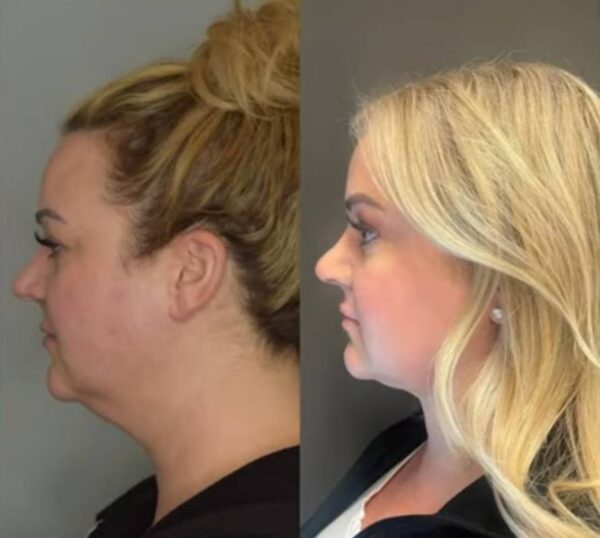
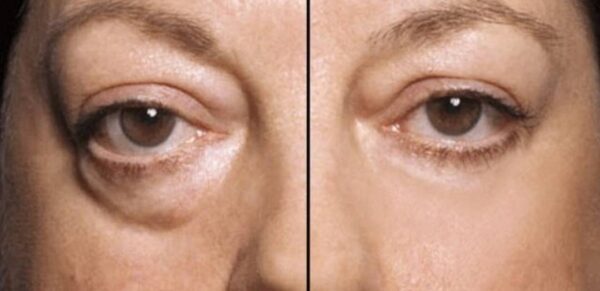
Before and After Pictures of Breast Augmention


We wish a healthy and happy life to you. You can find a great guide for nose job at fallowing link.

I have not checked in here for some time as I thought it was getting boring, but the last few posts are good quality so I guess I?¦ll add you back to my everyday bloglist. You deserve it my friend 🙂