What is Milia?
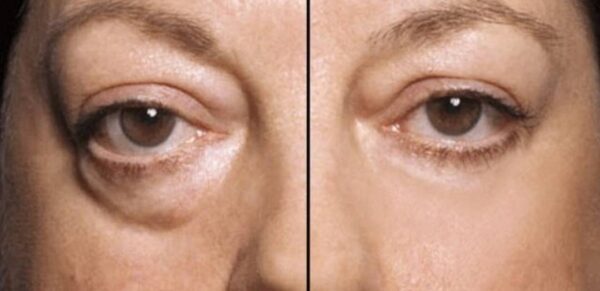
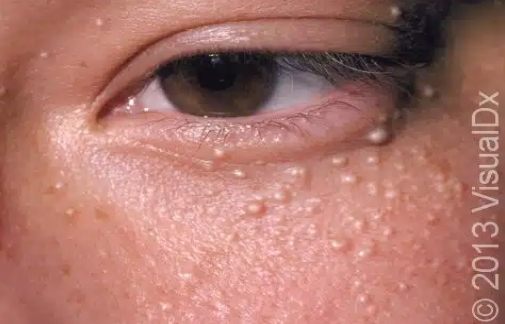
Milia are tiny white or yellowish bumps that often appear on the skin — usually on the face, especially around the eyes, cheeks and nose.
Simple Explanation
- Milia happen when dead skin cells get trapped under the skin, forming small, hard, pearl-like cysts.
- They are not pimples not caused by bacteria and are not harmful.
- They are common in babies but adults get them too.
- They usually go away on their own but sometimes need gentle skincare or a dermatologist to remove them.
Statisics About Milia
📊 General Prevalence
- Newborn babies:
• Around 40–50% of healthy newborns have milia at birth. Cleveland Clinic+1
• Some studies show milia observed in about 27% of newborns in certain groups. Dermatoloji Dergisi - Infant skin studies:
• In some hospital studies, milia were found in about 16–18% of newborns. PMC+1
• Another research reported milia in around 13.5% of newborn babies. jpad.com.pk
📌 Type Variations
- Neonatal milia (at birth) is most common and usually harmless. Cleveland Clinic
- Rare forms (like milia en plaque or multiple eruptive milia) are very uncommon and only seen occasionally in adults. Patient
📊 Adults and Other Ages
- There isn’t a reliable global statistic for adults because prevalence varies widely and many adults don’t seek medical care for simple milia. MD Searchlight
Summary
| Group | Approx. Prevalence |
|---|---|
| Newborns (general) | ~40–50% have milia at birth Cleveland Clinic |
| Newborns (hospital studies) | ~13–27% observed PMC+1 |
| Adults | Not well-studied statistically MD Searchlight |
What Are The Causes Of Milia?
✅ 1. Trapped Dead Skin Cells
The most common cause.
Dead skin cells (keratin) get stuck under the skin instead of shedding normally, forming tiny hard bumps.
✅ 2. Skin Damage
Milia can appear after:
- Burns (even mild sunburn)
- Blistering injuries
- Rashes
- Laser treatments
Because the skin heals and traps keratin underneath.
✅ 3. Heavy Skin Products
Using products that are too oily or heavy can block natural exfoliation and lead to milia, especially around the eyes.
✅ 4. Long-term Sun Damage
Sun exposure makes the skin thick and less able to shed dead cells, increasing the chance of milia.
✅ 5. Genetics
Some people naturally shed skin more slowly, making them more prone.
✅ 6. Skin Diseases or Conditions
Rarely, milia can appear with:
- Autoimmune skin disorders
- Genetic skin conditions
- Epidermolysis bullosa
—but this is uncommon.
✅ 7. Newborn Skin Immaturity
In babies; milia happens simply because their skin isn’t fully developed and traps keratin easily. It’s normal and harmless.
You can find details about white spots on your lips and private parts in below link.
What Are The Symptoms Of Milia?
1. Small White or Yellow Bumps
- The bumps are tiny (1–3 mm).
- They look like pearls or grains of sand under the skin.
2. Firm, Not Soft
- Milia feel hard when touched.
- They are not filled with pus, so they don’t pop like pimples.
3. Painless
- No itching
- No redness (unless irritated)
- No swelling
Milia normally cause no discomfort.
4. Appear in Clusters or Alone
- You may see one bump or a small group together.
5. Common Locations
- Around the eyes (most common)
- Cheeks
- Nose
- Forehead
- Chin
- Babies often get them on the nose and cheeks.
6. Don’t Change Size Quickly
- Milia remain the same size for weeks or months.
- They don’t grow like cysts or acne lesions.
7. Not Related to Infection
- No warmth, no pus, no red halo.
🍼 Symptoms in Newborns
- Multiple white dots on the nose or cheeks.
- They don’t bother the baby and disappear on their own in a few weeks.
What Are The Prevention Ways Of Milia?
✅ 1. Exfoliate Regularly
Gentle exfoliation helps remove dead skin cells so they don’t get trapped.
- Use mild exfoliating acids like AHA (glycolic/lactic) or BHA (salicylic) 1–2 times per week.
- Avoid harsh scrubs, especially around the eyes.
✅ 2. Choose Non-Comedogenic Products
Use skincare that says:
- “Non-comedogenic”
- “Oil-free”
- “Won’t clog pores”
Heavy, oily creams—especially around the eyes—can trap keratin and cause milia.
✅ 3. Avoid Overusing Thick Eye Creams
The skin around the eyes is thin and can easily trap product.
- Use lighter gels instead of heavy balms.
✅ 4. Protect Your Skin From the Sun
Sun damage makes skin thicker and slower to shed cells.
- Use sunscreen daily (SPF 30+).
- Avoid tanning and intense sun exposure.
✅ 5. Clean Your Skin Properly
Wash your face twice a day to remove makeup, sunscreen, and dirt that can block natural exfoliation.
✅ 6. Don’t Pick or Squeeze
Trying to pop milia damages the skin and causes more bumps.
✅ 7. Avoid Heavy Makeup
Thick foundations and concealers—especially around the eyes and nose—can contribute to milia formation.
✅ 8. Treat Skin Conditions Promptly
Conditions that damage or irritate the skin can cause secondary milia. Treat:
- Burns
- Rashes
- Dermatitis
so the skin heals properly.
🍼 For Babies
Milia in babies cannot be prevented and are completely normal. They go away on their own.
What Are The Treatment Options Of Milia?
✅ 1. Leave Them Alone (Often Best)
Many milia—especially in babies—go away on their own within weeks to months.
No treatment is needed unless they bother you.
✅ 2. Professional Extraction (Most Common Treatment)
Dermatologists can remove milia quickly and safely by:
- Using a sterile needle or tiny blade
- Opening the skin surface
- Gently pushing out the keratin inside
⚠️ Never try to poke or squeeze milia at home.
✅ 3. Topical Retinoids
Retinoid creams help the skin shed dead cells and prevent trapping:
- Tretinoin
- Adapalene
- Retinol (weaker)
Useful for adults with persistent or widespread milia.
✅ 4. Chemical Peels
Light chemical peels can clear milia by removing old skin layers:
- Glycolic acid peel
- Lactic acid peel
- Salicylic acid peel
Usually done by a skincare professional.
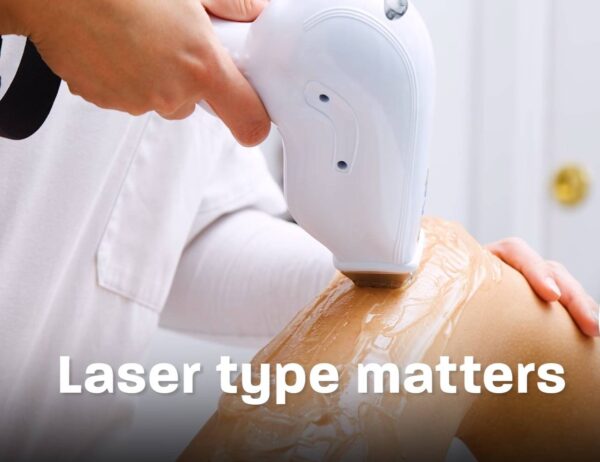
✅ 5. Laser Therapy
For stubborn or multiple milia:
- Ablative lasers (like CO₂ or Er:YAG)
- Remove the top layer of skin precisely
Used mainly when extraction is not suitable.
✅ 6. Microdermabrasion
A gentle skin resurfacing technique that helps remove dead skin cells and prevent new milia.
🍼 Treatment for Babies
- No extraction
- No creams
- No peels
Just wait; they go away naturally.
💡 Home Care (Supportive, Not curative)
These don’t remove milia instantly but help prevent more from forming:
- Use gentle exfoliating cleansers
- Apply lightweight moisturizers
- Avoid heavy eye creams
- Always wear sunscreen
We wish a happy and healty life to you. You can find scientific advices for IGH (whita spots on skin) in below link.