Female Facial Hair: How Common Is It?
Female facial hair is far more common than most people assume. While social norms often treat facial hair as a male trait, biology tells a different story. All women grow facial hair to some degree; the difference lies in thickness, color and growth rate.
Medical surveys indicate that 30–40% of women worldwide experience noticeable unwanted facial hair, especially on the upper lip, chin, jawline and neck. The likelihood increases with age, hormonal changes and genetic predisposition.
Facial hair in women exists in two main forms:
- Vellus hair (fine, light, peach fuzz)
- Terminal hair (thick, dark, coarse)
Problems arise when vellus hair converts into terminal hair due to hormonal or follicular sensitivity changes.
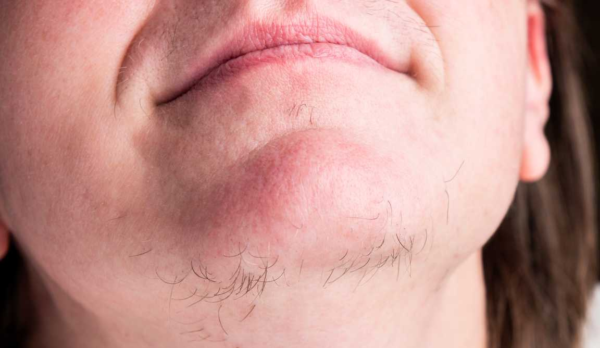
Chin Whiskers in Women: Why They Appear?
Chin whiskers are coarse, thick hairs that grow individually or in clusters on the chin. Unlike soft facial fuzz, they grow deeper in the follicle and often return quickly after removal.
Common Causes of Chin Whiskers
- Hormonal imbalance
- Elevated androgen sensitivity
- Polycystic Ovary Syndrome (PCOS)
- Perimenopause and menopause
- Genetic inheritance
- Insulin resistance
Clinical data shows that over 60% of women with PCOS report chin whiskers as one of their earliest symptoms. However, chin whiskers can also appear in women with normal hormone levels due to follicle sensitivity.
Chin Whiskers and Aging: Why Facial Hair Increases Over Time?
Many women notice that chin whiskers become more frequent, thicker and harder to manage as they age. This is not accidental. Aging alters the hormonal balance between estrogen and androgens, even when testosterone levels remain within the normal range.
As estrogen declines:
- Hair follicles become more sensitive to androgens
- Dormant follicles may activate
- Individual thick chin hairs become more common
Dermatology research shows that over 75% of women aged 45+ report at least occasional coarse chin hairs, even without a diagnosed hormonal disorder. These hairs tend to grow faster, feel wiry and return shortly after removal.
Chin and Neck Hair in Females: Medical vs Cosmetic Causes
Not all chin and neck hair in females is caused by disease. Understanding the difference between medical hirsutism and cosmetic facial hair growth is crucial for choosing the right removal strategy.
Medical Causes
- PCOS
- Congenital adrenal hyperplasia
- Cushing’s syndrome
- Androgen-secreting tumors (rare)
- Thyroid disorders
Cosmetic or Functional Causes
- Age-related hormone shifts
- Genetic follicle sensitivity
- Stress-related cortisol elevation
- Certain medications (steroids, hormone therapy)
Studies suggest that nearly 60% of women with chin or neck hair have no underlying medical condition, meaning cosmetic management is often sufficient.
PCOS vs Menopause: Facial Hair Differences
| Feature | PCOS | Menopause |
|---|---|---|
| Onset | Early adulthood | Midlife |
| Hair pattern | Chin, jawline, neck | Chin, neck, upper lip |
| Hair density | Clustered, progressive | Isolated coarse hairs |
| Other symptoms | Acne, irregular periods | Hot flashes, thinning scalp hair |
| Treatment focus | Hormonal regulation | Hair management + skin care |
This distinction helps readers understand why treatments that work for one group may not work for another.
Why Chin and Neck Hair Feels Thicker Than Other Facial Hair?
Chin and neck hair follicles are:
- Deeper in the skin
- More androgen-sensitive
- Longer in the anagen (growth) phase
This is why these hairs:
- Feel stiff or “wire-like”
- Regrow quickly after plucking
- Are more resistant to creams and threading
Dermatologists confirm that chin whiskers are biologically closer to beard hair than peach fuzz, which explains their stubborn nature.
Best Hair Removal Methods Specifically for Chin & Neck Hair
Not all removal methods are equally effective for coarse facial hair.
Most Effective
- Electrolysis (permanent, precise)
- Laser hair removal (long-term reduction)
Moderately Effective
- Waxing (risk of ingrowns)
- Tweezing (time-consuming, can stimulate follicles)
Least Effective
- Depilatory creams
- Threading for dense areas
Clinical outcome data shows that electrolysis achieves permanent removal in over 90% of treated chin hairs, making it the gold standard for persistent whiskers.
Ingrown Hairs and Hyperpigmentation Risks
Chin and neck hair removal often leads to:
- Ingrown hairs
- Dark spots (post-inflammatory hyperpigmentation)
- Folliculitis
Women with darker skin tones are especially prone to pigmentation issues. Proper aftercare is essential.
Prevention Tips
- Use gentle exfoliation (2–3 times weekly)
- Avoid aggressive plucking
- Apply soothing agents like aloe or niacinamide
- Avoid sun exposure after removal
Emotional and Social Impact of Chin & Neck Hair
For many women, chin whiskers are not just a cosmetic issue.
Surveys reveal:
- 61% check their chin daily
- 48% remove hair every morning
- 35% feel anxious about close conversations
Constant monitoring can create chronic stress. Normalizing female facial hair and providing effective solutions helps reduce shame and isolation.
Chin and Neck Hair in Females
Chin and neck hair in females is one of the most distressing forms of facial hair growth because it is harder to conceal and often associated with aging.
Typical Characteristics
- Coarse texture
- Dark pigmentation
- Fast regrowth
- Increased density over time
Neck Hair Patterns in Women
| Growth Pattern | Description | Possible Cause |
|---|---|---|
| Single thick hairs | Random whiskers | Age-related hormonal shift |
| Patchy clusters | Under chin area | PCOS |
| Beard-like growth | Dense coverage | Androgen excess |
| Sudden appearance | Rapid onset | Medication or endocrine disorder |
Studies show that neck hair becomes more common after age 40, particularly during menopause when estrogen declines.
Hormonal Causes of Female Facial Hair
Polycystic Ovary Syndrome (PCOS)
PCOS affects approximately 1 in 10 women globally and is the leading medical cause of excessive facial hair growth.
Symptoms often include:
- Chin whiskers
- Neck and jawline hair
- Acne
- Irregular menstrual cycles
- Weight gain
Menopause and Perimenopause
As estrogen levels decrease:
- Testosterone becomes more dominant
- Facial hair thickens
- Chin and neck hair increase
Research indicates that up to 70% of postmenopausal women notice new or worsening facial hair growth.
Genetic and Ethnic Influences
Genetics significantly influence facial hair growth patterns. Women from Mediterranean, Middle Eastern, South Asian and Latin backgrounds often experience thicker facial hair due to inherited follicle sensitivity rather than hormone disorders.
If facial hair is common in close female relatives, your likelihood is considerably higher.
Temporary Female Facial Hair Removal Methods
Shaving
Shaving cuts hair at the skin’s surface.
Pros
- Fast
- Painless
- Affordable
Cons
- Requires frequent upkeep
- Stubble sensation
- Not ideal for thick chin whiskers
Fact: Shaving does not make hair grow thicker; blunt tips simply feel coarser.
Waxing
Waxing removes hair from the root.
Best for: Upper lip, chin, neck
Pros
- Smooth results
- Slower regrowth
Cons
- Painful
- Risk of ingrown hairs
- Skin irritation
Threading
Threading removes hair using twisted cotton thread.
Pros
- Chemical-free
- Precise
- Suitable for sensitive skin
Cons
- Time-consuming
- Less effective for dense neck hair
Chemical Hair Removal Creams
Depilatory creams dissolve hair proteins.
Pros
- Painless
- Easy to use at home
Cons
- Risk of burns
- Strong odor
- Not recommended for coarse chin whiskers
Always patch test before facial use.
Long-Term Female Facial Hair Removal Options
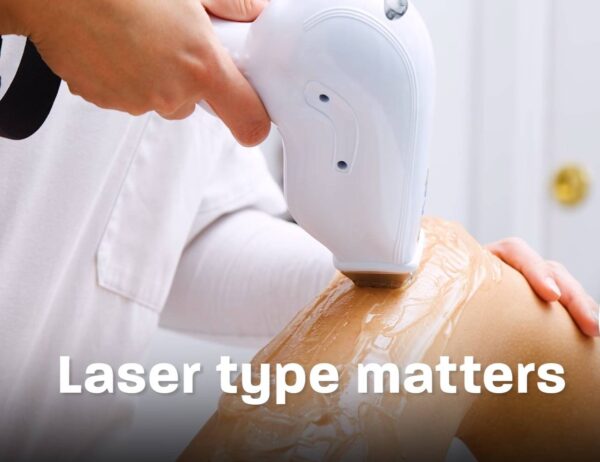
Laser Hair Removal
Laser targets melanin in hair follicles.
Best for
- Chin whiskers
- Neck hair in females
- Jawline hair
Effectiveness
- 70–90% hair reduction after multiple sessions
Limitations
- Less effective on light or gray hair
- Requires maintenance sessions
Electrolysis
Electrolysis destroys each follicle individually.
Pros
- Permanent
- Effective for all hair colors
Cons
- Time-intensive
- Higher cost
- Mild discomfort
Electrolysis is considered the gold standard for stubborn chin hairs.
Comparison of Facial Hair Removal Methods
| Method | Duration | Best For | Cost | Pain |
|---|---|---|---|---|
| Shaving | 1–2 days | Fine hair | Low | None |
| Waxing | 3–4 weeks | Medium hair | Medium | High |
| Threading | 2–3 weeks | Small areas | Low | Medium |
| Laser | Months–years | Dark hair | High | Medium |
| Electrolysis | Permanent | Any hair | High | Medium |
Natural Remedies: Can They Help?
Natural remedies may slow growth but do not permanently remove hair.
Common options include:
- Turmeric masks
- Papaya enzyme treatments
- Spearmint tea
- Sugar-lemon scrubs
Clinical studies suggest spearmint tea may reduce free testosterone levels by up to 25–30% when consumed regularly.
Lifestyle Changes That May Reduce Facial Hair
- Maintaining a healthy weight
- Reducing refined carbohydrates
- Managing stress
- Regular exercise
- Adequate sleep
Women with insulin resistance often notice reduced chin whiskers after improving blood sugar control.
Skin Care Tips After Facial Hair Removal
- Exfoliate gently before removal
- Avoid sun exposure for 24–48 hours
- Use calming ingredients (aloe vera, panthenol)
- Avoid acids immediately after removal
Proper aftercare reduces irritation and hyperpigmentation.
Myths About Female Facial Hair
| Myth | Truth |
|---|---|
| Shaving worsens hair | False |
| Only men grow whiskers | False |
| Facial hair means poor hygiene | False |
| Laser works instantly | False |
Future Trends in Female Facial Hair Removal
- Hormone-targeting topical treatments
- AI-guided laser precision
- Improved at-home devices
- Personalized dermatology solutions
The global hair removal market is projected to exceed $12 billion by 2030, driven largely by female facial hair treatments.
When Medical Advice Is Necessary?
Seek medical evaluation if facial hair:
- Appears suddenly
- Progresses rapidly
- Is accompanied by voice deepening
- Occurs with irregular periods
These may indicate underlying endocrine conditions.
Frequently Asked Questions
Why do I get one or two thick chin hairs?
This is usually because of follicle sensitivity changes, especially with age.
Can chin hair indicate menopause?
Yes. It is one of the most common cosmetic changes during perimenopause.
Does plucking increase chin hair?
Plucking does not create new hairs but may stimulate thicker regrowth in some follicles.
Is neck hair in females permanent?
It can be permanently removed with electrolysis.
Can facial hair go away on its own?
Only if caused by temporary hormonal changes.
Key Takeaways for Readers
Female facial hair removal is a personal choice. Whether dealing with chin whiskers, neck hair or hormonal growth, understanding the cause allows informed decisions. With modern solutions and awareness, women can manage facial hair confidently and safely.
We wish a happy and healthy life to you. You can find helpful advices for “skin tags” at the fallowing link.