Female Birth Control Methods (Hormonal & Non-Hormonal)
Female contraception includes the widest range of birth control options, allowing women to choose methods based on health status, convenience, fertility goals and hormone tolerance.

Birth Control Pills (Oral Contraceptives)
Birth control pills are one of the most prescribed contraceptive methods worldwide. They prevent pregnancy by stopping ovulation, thickening cervical mucus, and thinning the uterine lining.
Types of birth control pills
- Combined pills (estrogen + progestin)
- Progestin-only pills (mini-pill)
Benefits
- Highly effective when taken correctly
- Regulates irregular periods
- Reduces menstrual cramps
- Improves acne
- Decreases ovarian and endometrial cancer risk
Side effects
- Nausea
- Breast tenderness
- Mood changes
- Spotting between periods
- Slight increase in blood clot risk (combined pills)
Effectiveness
- Perfect use: 99%
- Typical use: ~91%
Birth Control Patch
The patch is applied to the skin and releases hormones steadily into the bloodstream.
Key features
- Changed once weekly
- Same hormones as combined pills
Advantages
- No daily pill reminder
- Steady hormone release
Disadvantages
- Skin irritation
- Reduced effectiveness in people over 198 lbs (90 kg)
Vaginal Ring (Hormonal Ring)
A small flexible ring placed inside the vagina for three weeks at a time.
Why it’s popular
- Monthly routine
- Lower hormone exposure than pills
Possible drawbacks
- Vaginal irritation
- Increased discharge
- Needs comfort with insertion
Birth Control Shot (Injection)
A progestin-only injection given every 12 weeks.
Benefits
- Very discreet
- Ideal for those who forget daily methods
Downsides
- Fertility may take 6–12 months to return
- Possible weight gain
- Temporary bone density loss
Intrauterine Devices (IUDs)
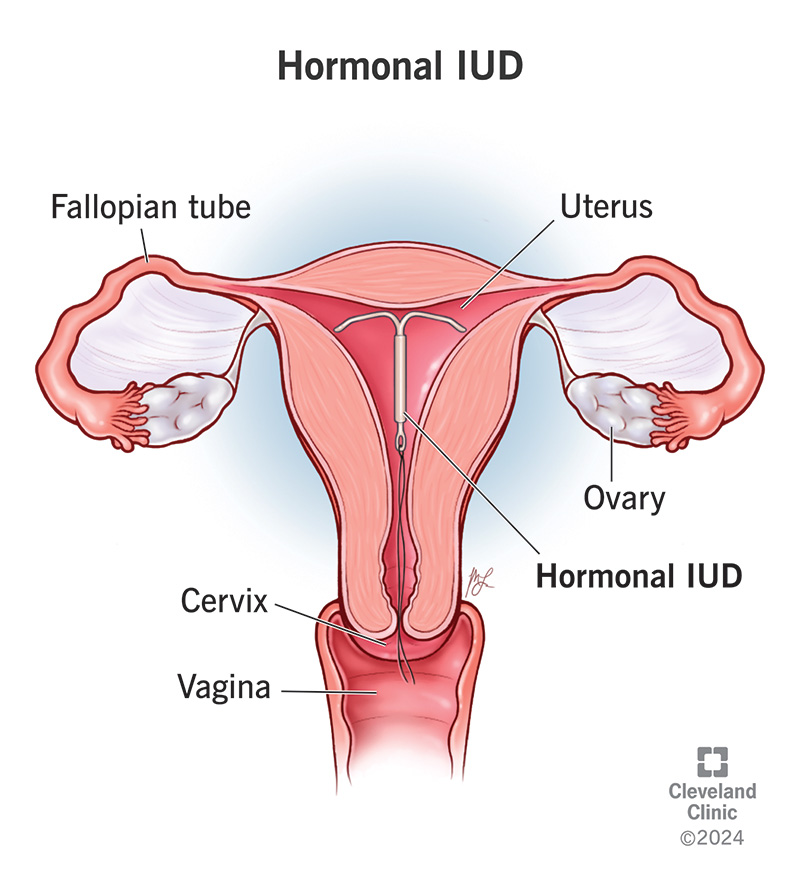
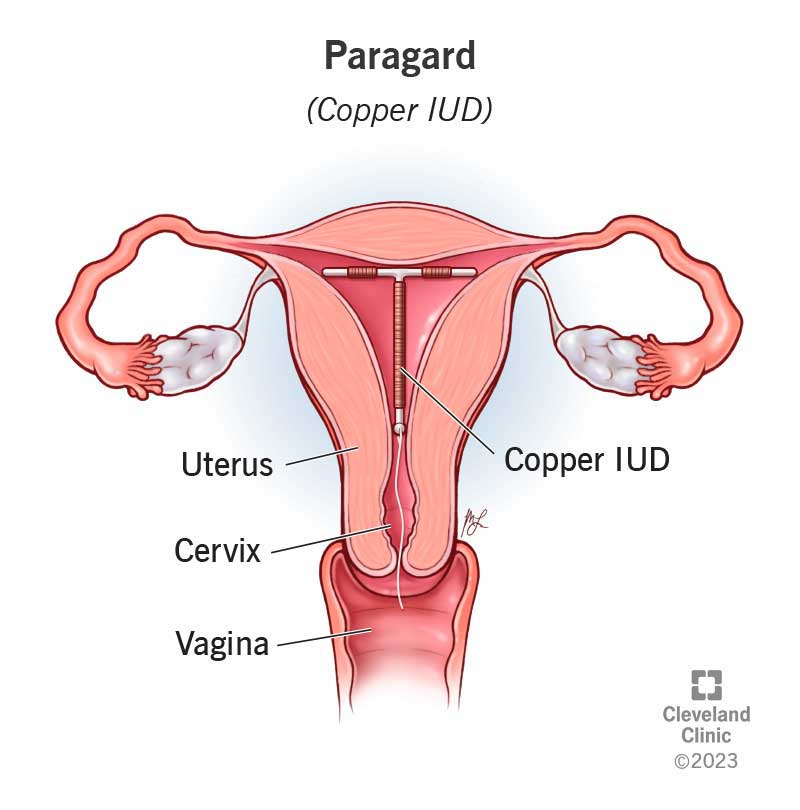
IUDs are small T-shaped devices placed in the uterus.
Types of IUDs
- Hormonal IUD: 3–8 years
- Copper IUD: 10–12 years
Benefits
- Over 99% effective
- Long-term protection
- Minimal maintenance
Side effects
- Cramping during insertion
- Irregular bleeding initially
Birth Control Implant
A matchstick-sized rod placed under the skin of the upper arm.
Key advantages
- Over 99% effective
- Works for up to 3 years
- Safe during breastfeeding
Side effects
- Irregular bleeding
- Headaches
- Mood changes
Female Barrier Methods
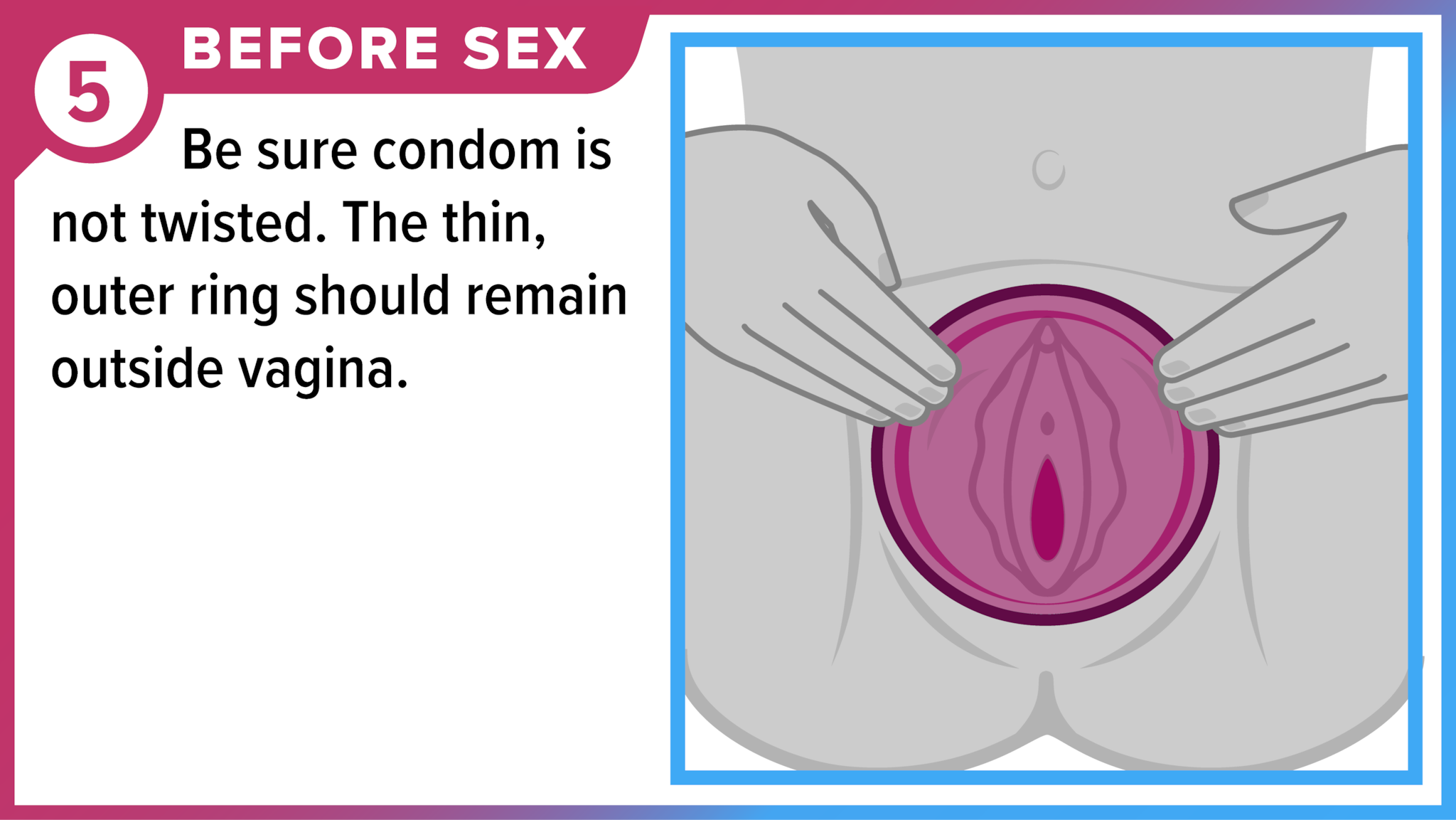

Barrier methods block sperm from entering the uterus.
Types
- Female condom
- Diaphragm
- Cervical cap
Advantages
- Hormone-free
- Female condoms offer STD protection
Disadvantages
- Lower effectiveness than hormonal methods
- Must be used correctly every time
Emergency Contraception
Emergency birth control is used after unprotected sex.
Options
- Emergency pills (within 3–5 days)
- Copper IUD (within 5 days)
Important facts
- Not an abortion pill
- Less effective with time delay
Permanent Female Birth Control
Tubal Ligation (Female Sterilization)
A surgical procedure that blocks or cuts fallopian tubes.
Pros
- Lifetime protection
- No hormones
Cons
- Surgical risks
- Usually irreversible
Male Birth Control Methods
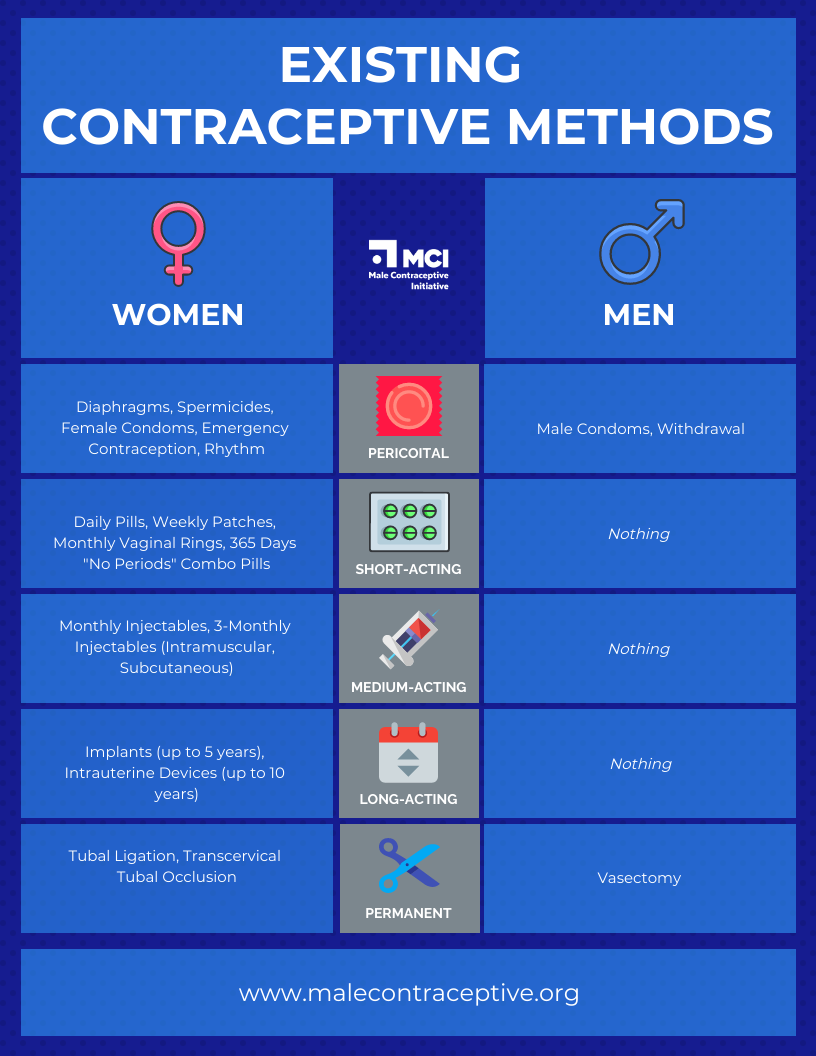
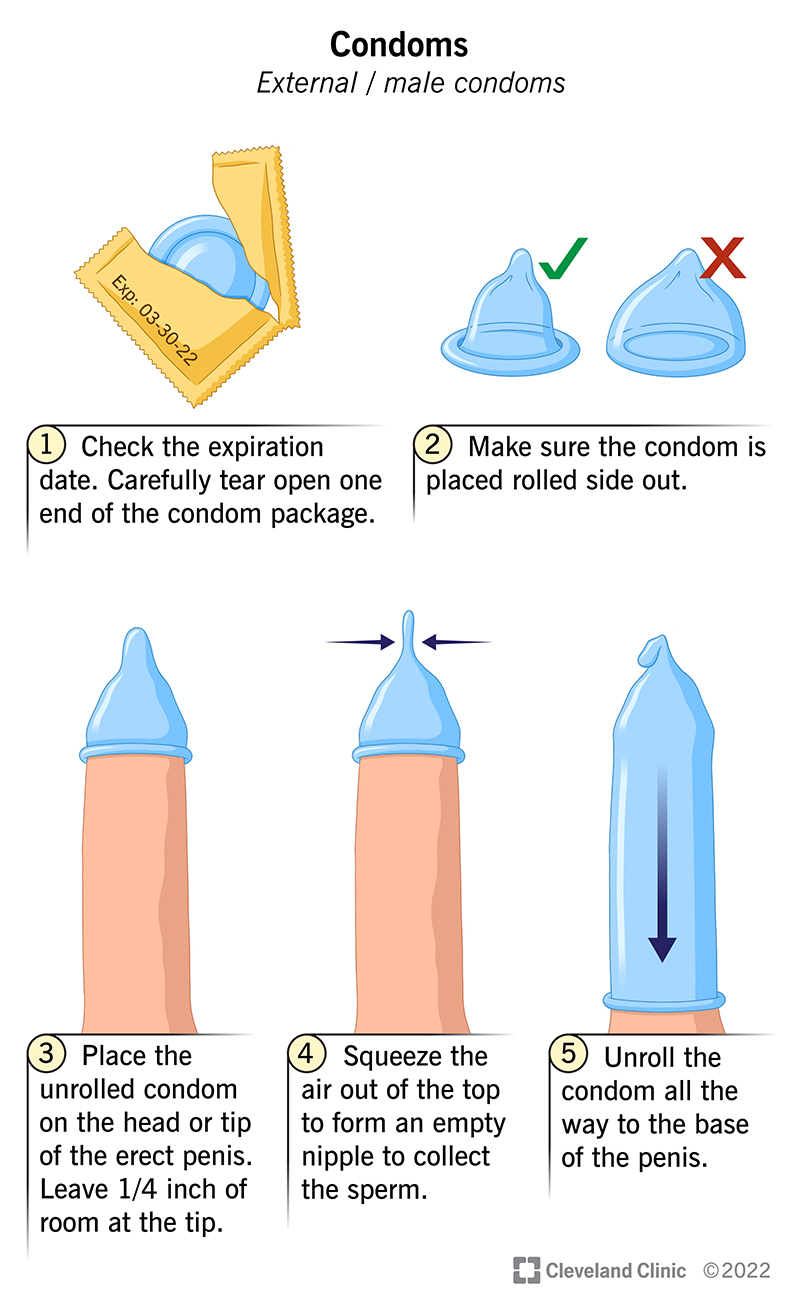

Male contraception options are fewer but essential in shared family planning.
Male Condoms
The most widely used male birth control method.
Benefits
- Protects against STDs
- No hormones
- Easy access
Effectiveness
- Perfect use: 98%
- Typical use: ~87%
Withdrawal Method (Pull-Out)
A behavioral method involving withdrawal before ejaculation.
Pros
- Free
- Always available
Cons
- High failure rate
- Pre-ejaculate may contain sperm
Vasectomy
A minor surgical procedure that permanently prevents sperm release.
Key points
- Over 99% effective
- No effect on sexual performance
- Considered permanent
Experimental Male Birth Control (In Development)
- Hormonal gels
- Male contraceptive pills
- Sperm-blocking injections
These are still in clinical trials.
Detailed Comparison Table: Female Birth Control Methods
| Method | Type | Effectiveness | Duration | Hormonal | STD Protection |
|---|---|---|---|---|---|
| Pill | Oral | 91–99% | Daily | Yes | No |
| Patch | Transdermal | 91–99% | Weekly | Yes | No |
| Ring | Vaginal | 91–99% | Monthly | Yes | No |
| Shot | Injection | 94–99% | 3 months | Yes | No |
| Implant | LARC | >99% | 3 years | Yes | No |
| Hormonal IUD | LARC | >99% | 3–8 yrs | Yes | No |
| Copper IUD | LARC | >99% | 10–12 yrs | No | No |
| Female Condom | Barrier | 79–95% | Per use | No | Yes |
Detailed Comparison Table: Male Birth Control Methods
| Method | Type | Effectiveness | Reversible | STD Protection |
|---|---|---|---|---|
| Condom | Barrier | 87–98% | Yes | Yes |
| Withdrawal | Behavioral | ~78% | Yes | No |
| Vasectomy | Surgical | >99% | Rarely | No |
Birth Control Effectiveness Ranking (Highest to Lowest)
- Implant
- Hormonal IUD
- Copper IUD
- Vasectomy
- Birth control shot
- Pills / Patch / Ring
- Condoms
- Withdrawal
Birth Control and Hormones: What Happens in the Body?
Hormonal birth control alters estrogen and progestin levels to suppress ovulation. Some users may experience:
- Mood changes
- Libido changes
- Breast tenderness
- Fluid retention
Non-hormonal options avoid these effects entirely.
Birth Control and Fertility After Stopping
| Method | Fertility Return |
|---|---|
| Pills / Patch / Ring | 1–3 months |
| Shot | 6–12 months |
| Implant / IUD | Immediate |
| Vasectomy | Permanent |
Birth Control Myths vs Facts
Myth: Birth control causes infertility
Fact: Fertility usually returns after stopping
Myth: You can’t get pregnant while breastfeeding
Fact: Ovulation can still occur
Myth: Condoms always fail
Fact: Correct use drastically lowers risk
FAQ’s About Birth Control
What is the safest birth control?
Long-acting reversible methods (IUDs, implants).
Which birth control has the least side effects?
Copper IUDs and condoms.
Does birth control cause weight gain?
Modern methods show minimal weight changes.
Can men take birth control pills?
Not yet approved but research is ongoing.
Birth Control Statistics
- Over 64% of women worldwide use contraception
- IUD usage increased by 300% in the last decade
- Condoms are the #1 STD prevention method
- Nearly 500,000 vasectomies occur annually in the U.S.
How to Choose the Right Birth Control?
Consider:
- Health conditions
- Lifestyle
- Long-term fertility goals
- Hormone sensitivity
We wish a happy and healthy life to you. You can find early signs and protection options of most common STI: HPV at the fallowing link.