What Is HPV?
HPV stands for Human Papillomavirus, a group of more than 200 related viruses. Each type is assigned a number and categorized as either low-risk or high-risk based on its potential to cause cancer.
Key Facts About HPV
- HPV infects the skin and mucous membranes
- Transmitted mainly through sexual contact
- Extremely common in sexually active people
- Often asymptomatic
- Many infections resolve naturally
HPV is not a single virus but a family of viruses with different behaviors and health outcomes.
Statistics About HPV
Here are some statistics related to HPV:
- Types: There are over 200 types of HPV and approximately 40 of these types can infect the genital area.
- Cancer: HPV is responsible for nearly all cases of cervical cancer, as well as a significant proportion of other types of cancer, including anal, vaginal, vulvar, penile and throat cancer.
- Incidence of Cervical Cancer: Cervical cancer is the fourth most common cancer in women worldwide, with an estimated 570,000 new cases and 311,000 deaths from the disease in 2018.
- HPV-related Cancers: In the United States, an estimated 34,800 new cases of HPV-related cancers occur each year, with oropharyngeal (throat) cancer being the most common.
- Vaccination Rates: In the United States, HPV vaccination rates have increased in recent years, with approximately 68% of adolescents aged 13-17 receiving at least one dose of the vaccine in 2020.
- HPV-related Diseases: In addition to cancer, HPV can also cause other health problems, such as genital warts, recurrent respiratory papillomatosis (RRP) and pregnancy complications.
- Global Burden: HPV is a significant global health burden, with an estimated 570,000 new cases of cervical cancer and 311,000 deaths from the disease occurring each year. The World Health Organization (WHO) has set a goal of eliminating cervical cancer as a public health problem by 2030 through prevention, screening and treatment efforts.
Global HPV Statistics
- Over 80% of sexually active people will get HPV at some point in their lives
- Approximately 14 million new HPV infections occur each year worldwide
- Around 290 million women globally are estimated to be infected at any given time
- HPV causes over 630,000 cancer cases annually worldwide
- Cervical cancer accounts for over 90% of HPV-related cancers
Because HPV often causes no symptoms, many people are infected without knowing it.
Types of HPV: Low-Risk vs High-Risk
Low-Risk HPV Types
These types do not cause cancer but may cause genital warts.
- HPV 6
- HPV 11
➡ Responsible for about 90% of genital warts
High-Risk HPV Types
These types can lead to cancer.
- HPV 16
- HPV 18
- HPV 31, 33, 45, 52, 58
➡ HPV 16 and 18 cause:
- ~70% of cervical cancers
- Majority of HPV-related throat cancers
How Is HPV Transmitted?
HPV spreads through skin-to-skin contact, not through blood or bodily fluids.
Common Transmission Routes
- Vaginal sex
- Anal sex
- Oral sex
- Genital-to-genital contact (even without penetration)
Important Notes
- Condoms reduce risk but do not provide full protection
- HPV can spread even when no symptoms are present
- It is not a sign of poor hygiene
HPV Symptoms: What Does HPV Look Like?
HPV in Most People
- No symptoms
- Clears within 1–2 years
- Never causes health problems
Symptoms of Low-Risk HPV
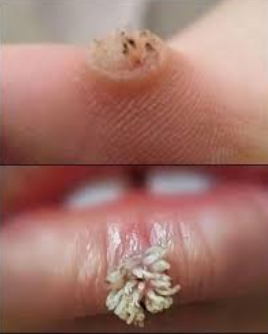
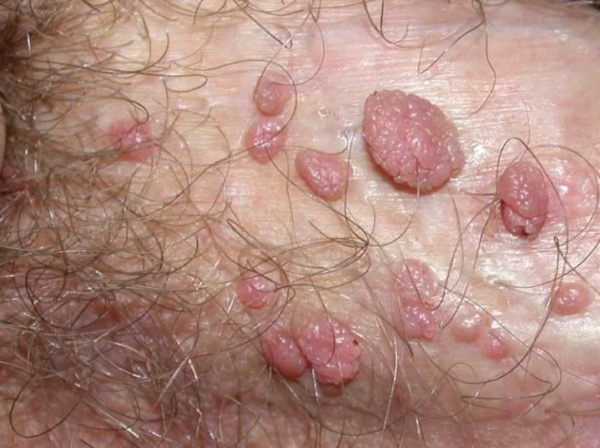
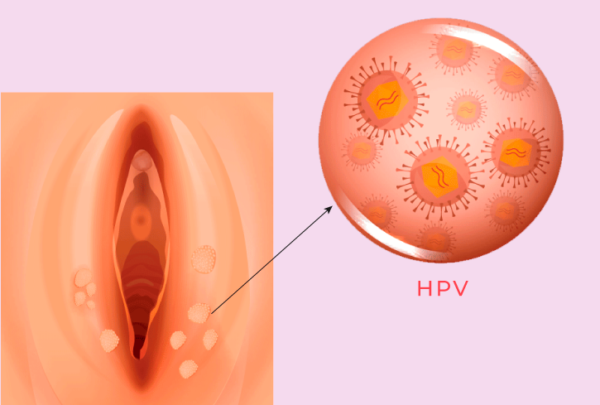
- Genital warts
- Small, flesh-colored or gray bumps
- Can appear on:
- Penis
- Scrotum
- Vulva
- Vagina
- Anus
- Thighs
Symptoms of High-Risk HPV
High-risk HPV usually causes no early symptoms. Symptoms appear only when cancer develops.
HPV Symptoms in Women
HPV is particularly significant in women due to its link to cervical cancer.
Possible Signs (Advanced Stages)
- Abnormal vaginal bleeding
- Pain during intercourse
- Pelvic pain
- Unusual vaginal discharge
Routine screening is essential because early HPV-related changes are silent.
HPV Symptoms in Men
Most men with HPV have no symptoms.
Possible Manifestations
- Genital warts
- Rare cancers:
- Penile cancer
- Anal cancer
- Oropharyngeal (throat) cancer
Men often act as carriers, unknowingly transmitting HPV.
HPV and Cancer: The Connection
HPV is responsible for nearly all cases of cervical cancer and a growing number of other cancers.
HPV-Related Cancers
| Cancer Type | Percentage Caused by HPV |
|---|---|
| Cervical | ~99% |
| Anal | ~90% |
| Oropharyngeal (throat) | ~70% |
| Vaginal | ~70% |
| Vulvar | ~50% |
| Penile | ~60% |
High-risk HPV causes cellular changes that may take 10–20 years to develop into cancer.
How Is HPV Diagnosed?
In Women
- Pap smear (Pap test) detects abnormal cervical cells
- HPV DNA test identifies high-risk virus types
In Men
- No routine HPV test
- Diagnosis based on:
- Visual examination
- Biopsy (if cancer suspected)
HPV Treatment Options
There is no cure for HPV itself but its effects can be treated.
Treatment for HPV Infections
- Immune system clears virus naturally
- No antiviral medication available
Treatment for Genital Warts
| Treatment | Effectiveness | Notes |
|---|---|---|
| Topical creams | Moderate | Multiple applications |
| Cryotherapy | High | Freezing warts |
| Laser therapy | High | For extensive warts |
| Surgical removal | Very high | Low recurrence |
Treatment for HPV-Related Cancer
- Surgery
- Radiation therapy
- Chemotherapy
- Immunotherapy (advanced cases)
HPV Vaccine: Protection and Effectiveness
Vaccination is the most effective prevention method.
HPV Vaccine Facts
- Protects against 9 major HPV types
- Prevents:
- Cervical cancer
- Genital warts
- Anal and throat cancers
- Most effective before sexual activity
Recommended Ages
- Ages 9–14: 2 doses
- Ages 15–45: 3 doses
Effectiveness
- Up to 90% reduction in HPV-related cancers
- Significant drop in genital warts globally
HPV Prevention Strategies
Best Prevention Methods
- HPV vaccination
- Regular screening (Pap tests)
- Condom use
- Limiting number of sexual partners
- Avoiding smoking (weakens immune response)
HPV Myths and Facts
Myth: HPV means infidelity
❌ False – HPV can remain dormant for years
Myth: Only women get HPV
❌ False – Men are equally affected
Myth: HPV always causes cancer
❌ False – Most infections are harmless
Psychological Impact of HPV
An HPV diagnosis can cause:
- Anxiety
- Shame
- Relationship stress
- Fear of cancer
Education and reassurance are essential, as HPV is common and manageable.
Frequently Asked Questions (FAQ)
Is HPV permanent?
Usually not. Most infections clear naturally within 2 years.
Can HPV come back?
Yes, the virus can reactivate if the immune system weakens.
Can virgins get HPV?
Rare, but possible through skin contact.
Is HPV deadly?
Only persistent high-risk infections can lead to cancer if untreated.
When to See a Doctor?
Seek medical advice if:
- You notice genital warts
- You have abnormal bleeding
- You receive an abnormal Pap result
- You have persistent throat pain or lumps
Summary: Key Takeaways About HPV
- HPV is extremely common
- Most infections are harmless
- Some types cause cancer
- No cure but excellent prevention
- Vaccination saves lives
- Early screening prevents cancer
HPV Vaccines
HPV vaccines are includes attenuated papillom virus for our immune system can defeat virus in real situations. Higly recommeded between 11-12 ages to all girs and boys before the sexual experince. A lot of people are not unawere if they have hpv or not. For this reason every person should get vaccineted before infected. HPV vaccines are mostly 3 times in 6 months. CDC is offer hpv vaccines to all people.
Mostly Known Hpv Vaccine Gardasil 9
Gardasil 9 is a vaccine that is used to protect against human papillomavirus (HPV) infection. HPV is a virus that is spread through sexual contact and can cause health problems, including cancer. Gardasil 9 is a newer version of the Gardasil vaccine, which was first introduced in 2006. It protects against nine types of HPV, including seven types that can cause cancer and two types that can cause genital warts.
Gardasil 9 Comparison Table (HPV Vaccines)
Gardasil 9 is the latest and most comprehensive HPV vaccine, offering broader protection than earlier HPV vaccines.
Gardasil 9 vs Other HPV Vaccines
| Feature | Gardasil 9 | Gardasil (Quadrivalent) | Cervarix |
|---|---|---|---|
| HPV Types Covered | 9 types | 4 types | 2 types |
| HPV Types Included | 6, 11, 16, 18, 31, 33, 45, 52, 58 | 6, 11, 16, 18 | 16, 18 |
| Protection Against Genital Warts | ✅ Yes | ✅ Yes | ❌ No |
| Protection Against Cervical Cancer | ✅ Very High | ✅ High | ✅ High |
| Protection Against Other HPV Cancers (Anal, Throat, Penile) | ✅ Yes | ⚠️ Limited | ⚠️ Limited |
| Percentage of HPV-Related Cancers Prevented | ~90% | ~70% | ~70% |
| Approved for Males | ✅ Yes | ✅ Yes | ❌ No |
| Approved for Females | ✅ Yes | ✅ Yes | ✅ Yes |
| Recommended Age Range | 9–45 years | 9–26 years | 9–25 years |
| Number of Doses (Under 15) | 2 doses | 2 doses | 2 doses |
| Number of Doses (15+) | 3 doses | 3 doses | 3 doses |
| Global Use Today | ✅ Widely used | ❌ Mostly discontinued | ❌ Mostly discontinued |
| WHO / CDC Preference | ✅ Preferred | ❌ Replaced | ❌ Replaced |
Why Gardasil 9 Is Considered the Best HPV Vaccine?
Gardasil 9 expands protection beyond the original HPV types by including five additional high-risk strains responsible for a significant portion of HPV-related cancers worldwide.
Key Advantages of Gardasil 9
- Covers HPV 16 and 18 (highest cancer risk)
- Adds protection against HPV 31, 33, 45, 52 and 58
- Prevents both cancers and genital warts
- Approved for both men and women
- Reduces HPV-related cancers by up to 90%
Gardasil 9 at a Glance (Quick Facts)
| Category | Details |
|---|---|
| Vaccine Type | Non-infectious, recombinant |
| Contains Live Virus | ❌ No |
| Can Cause HPV | ❌ No |
| Typical Side Effects | Injection site pain, mild fever, headache |
| Serious Side Effects | Extremely rare |
| Long-Term Protection | At least 10–15 years (likely longer) |
Also you can find detailed info about another common sexual transmitted disease in woman bacterial vaginosis (BV) in below article: