
Introduction
Tonsil stones; (medically known as tonsilloliths) are a common yet often misunderstood condition affecting the tonsils. Many people discover tonsil stones accidentally when they notice bad breath, a strange taste in the mouth or small white or yellowish lumps at the back of the throat. Although tonsil stones are usually harmless, they can be uncomfortable, embarrassing and sometimes painful.
This in-depth article is designed to help you fully understand tonsil stones, including what they are, why they form, who is most at risk, how they are diagnosed and the most effective treatment and prevention strategies.
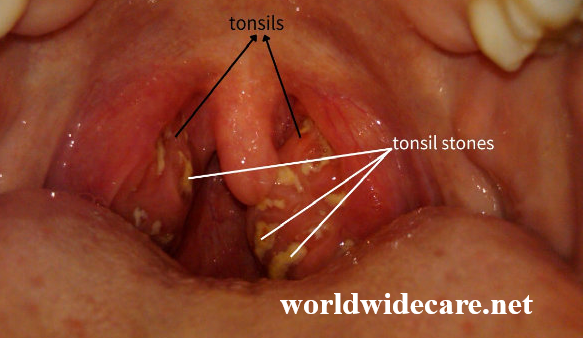
What Are Tonsil Stones?
Tonsil stones are small, hardened deposits of debris that form in the crevices (crypts) of the tonsils. The tonsils are two oval-shaped masses of lymphoid tissue located at the back of the throat. Their role is to help trap bacteria, viruses and other foreign particles entering through the mouth and nose.
Over time, materials such as:
- Food particles
- Dead cells
- Mucus
- Bacteria
can become trapped in the tonsillar crypts. When this trapped material calcifies or hardens, it forms a tonsil stone.
Tonsil stones can vary greatly in size. Some are tiny and barely visible, while others can grow large enough to cause noticeable discomfort and symptoms.
How Common Are Tonsil Stones?
Tonsil stones are more common than many people realize. Research suggests:
Key Statistics and Numbers
- Prevalence: Studies estimate that 10–25% of people will experience tonsil stones at least once in their lifetime.
- Age distribution: Tonsil stones are rare in young children but prevalence increases after puberty and peaks in young and middle-aged adults (ages 20–50).
- Chronic tonsillitis link: Up to 40–50% of people with chronic or recurrent tonsillitis develop tonsil stones at some point.
- Crypt size factor: People with deep tonsillar crypts have a 2–3 times higher risk of developing recurrent tonsilloliths.
- Bad breath connection: Tonsil stones are responsible for approximately 30–40% of chronic halitosis cases related to the throat rather than the teeth or gums.
- Stone size: Most tonsil stones measure 1–4 mm but rare cases larger than 1–2 cm have been documented in medical literature.
- Up to 10–25% of the population may experience tonsil stones at some point in their lives.
- They are more common in adolescents and adults than in young children.
- People with chronic tonsillitis or large tonsillar crypts are at significantly higher risk.
Although often underreported, tonsil stones are a frequent reason for complaints of chronic bad breath (halitosis).
What Causes Tonsil Stones?
Several factors contribute to the formation of tonsil stones. Understanding these causes can help with prevention.
1. Deep Tonsillar Crypts
Some people naturally have deeper or more irregular tonsil crypts. These pockets make it easier for debris to become trapped and harder to remove naturally.
2. Poor Oral Hygiene
Inadequate brushing, flossing and tongue cleaning allow bacteria and food particles to accumulate, increasing the likelihood of tonsil stone formation.
3. Chronic Tonsillitis
Repeated inflammation of the tonsils can enlarge crypts and increase mucus production, creating an ideal environment for tonsil stones.
4. Postnasal Drip
Excess mucus from allergies, sinus infections or colds can drip down the throat and collect in the tonsils.
5. Dry Mouth
Reduced saliva flow allows bacteria to multiply more easily, raising the risk of debris accumulation.
6. Smoking and Alcohol Use
Smoking and frequent alcohol consumption can dry the mouth and alter bacterial balance, contributing to tonsil stone development.
Symptoms of Tonsil Stones
Some people with tonsil stones experience no symptoms at all. But others may notice one or more of the following:
- Persistent bad breath (halitosis)
- White or yellowish lumps visible on the tonsils
- Sore throat or throat irritation
- Feeling of something stuck in the throat
- Difficulty or discomfort when swallowing
- Metallic or unpleasant taste in the mouth
- Ear pain (referred pain due to shared nerve pathways)
Larger tonsil stones are more likely to cause noticeable symptoms.
Are Tonsil Stones Dangerous?
In most cases, tonsil stones are not dangerous and don’t cause to serious health problems. But untreated or recurrent tonsil stones can sometimes cause:
- Chronic bad breath affecting quality of life
- Repeated throat infections
- Ongoing discomfort or pain
Very large tonsil stones are rare but may require medical intervention if they interfere with swallowing or breathing.
How Are Tonsil Stones Diagnosed?
Tonsil stones are usually diagnosed through a physical examination. A doctor may:
- Inspect the tonsils using a light
- Ask about symptoms such as bad breath or throat discomfort
- Gently press the tonsils to check for stones
In rare cases, imaging tests like X-rays or CT scans may be used if stones are large or difficult to see.
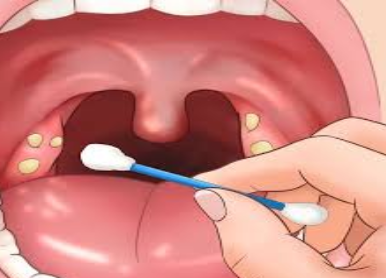
Treatment Options for Tonsil Stones
Treatment depends on the size, frequency and severity of symptoms.
1. Home Remedies
For small or occasional tonsil stones, home treatments are often effective:
- Saltwater gargling: Helps loosen stones and reduce bacteria
- Good oral hygiene: Brushing twice daily, flossing and tongue scraping
- Manual removal: Gently removing stones with a cotton swab or water flosser (with caution)
2. Medical Treatments
If home remedies fail or symptoms are severe, medical options include:
- Professional removal: A doctor can safely remove stones
- Antibiotics: Prescribed only if there is an active infection
- Laser tonsil cryptolysis: Uses laser technology to smooth tonsil surfaces and reduce crypts
3. Tonsillectomy
For people with frequent, severe or recurring tonsil stones, tonsil removal surgery (tonsillectomy) may be considered. This is usually a last resort when other treatments fail.
Prevention of Tonsil Stones
Preventing tonsil stones focuses on reducing debris and bacterial buildup.
Effective Prevention Tips
- Brush teeth at least twice daily
- Floss daily to remove food particles
- Clean the tongue regularly
- Gargle with saltwater or alcohol-free mouthwash
- Stay hydrated to prevent dry mouth
- Manage allergies and sinus issues
- Avoid smoking
Consistency is key when it comes to prevention.
Tonsil Stones vs Other Throat Conditions
Tonsil stones are sometimes confused with other conditions:
| Condition | Key Difference |
|---|---|
| Strep throat | Causes fever and severe pain, not calcified stones |
| Oral thrush | White patches that scrape off easily |
| Tonsillitis | Inflammation without hardened debris |
Proper diagnosis ensures appropriate treatment.
When to See a Doctor
You should consult a doctor or hospital if:
- Tonsil stones are large or painful
- Symptoms persist despite home care
- You experience frequent throat infections
- Swallowing or breathing becomes difficult
Early evaluation can prevent complications and improve comfort.

Frequently Asked Questions About Tonsil Stones
Can tonsil stones go away on their own?
Yes, small tonsil stones may fall out naturally during coughing, swallowing or gargling.
Are tonsil stones contagious?
No, tonsil stones themselves are not contagious.
Do probiotics help with tonsil stones?
Some evidence suggests probiotics may help balance oral bacteria, potentially reducing recurrence.
Can children get tonsil stones?
Yes, but they are more common in adolescents and adults.
Impact of Tonsil Stones on Quality of Life
While medically minor, tonsil stones can significantly affect daily life. Chronic bad breath may cause social anxiety, embarrassment and reduced self-confidence. Recurrent discomfort can also interfere with eating, speaking and sleeping.
Addressing tonsil stones early and adopting preventive habits can greatly improve overall well-being.
Conclusion
Tonsil stones are a common condition caused by the buildup and calcification of debris in the tonsillar crypts. Although usually harmless, they can lead to uncomfortable symptoms such as bad breath, sore throat and difficulty swallowing.
With proper oral hygiene, lifestyle adjustments and appropriate medical care when necessary, most people can effectively manage or prevent tonsil stones. For those experiencing frequent or severe symptoms, consulting a hospital is essential to explore long-term solutions.
By understanding the causes, symptoms, treatment options and prevention strategies outlined in this guide, you can take informed steps toward better oral and throat health.
We wish a happy and healthy life to you. You can find helpful advices about Throat Cancer below link.




I think this is one of the most significant info for me. And i am glad reading your article.
But wanna remark on some general things, The website style is ideal, the articles is really nice
: D. Good job, cheers
Ahaa, its nice discussion regarding this post here at this webpage, I have read all that, so at this time me
also commenting here.