Ringworm in people is a common fungal skin infection caused by dermatophytes—microscopic fungi that feed on keratin found in the outer layer of skin, hair and nails. Despite its name, ringworm is not caused by a worm. The term comes from the characteristic ring-shaped rash with a raised, scaly border and clearer center.
Ringworm can affect people of all ages and occurs worldwide. It spreads easily through direct skin-to-skin contact, contact with infected animals, contaminated objects or damp environments such as locker rooms and swimming pools. While usually not dangerous, untreated ringworm can spread, worsen and cause significant discomfort.
Ringworm Statistics (Tinea Infections in Humans)
Global Prevalence Statistics
- 20–25% of the world’s population is affected by a fungal skin infection (including ringworm) at any given time.
- Ringworm is one of the top 10 most common skin conditions worldwide, according to global dermatology data.
- Superficial fungal infections cause over 1 billion cases annually worldwide.
Ringworm by Age Group
- Children under 12 years account for nearly 60% of scalp ringworm (tinea capitis) cases.
- Ringworm is 30–40% more common in children than adults due to close contact in schools and daycare centers.
- Adults aged 20–50 years are more likely to develop:
- Athlete’s foot
- Jock itch
- Nail fungal infections
Ringworm in the United States & Developed Countries
- Approximately 10–15% of people will experience at least one ringworm infection during their lifetime.
- Athlete’s foot affects up to 25% of adults at some point.
- Nail ringworm (onychomycosis) accounts for 50% of all nail disorders seen by dermatologists.
- Around 3–5 million doctor visits per year in the U.S. are related to fungal skin infections.
Ringworm Transmission Statistics
- Direct skin-to-skin contact accounts for about 70% of ringworm transmissions.
- Animal-to-human transmission causes:
- ~40% of childhood scalp ringworm cases
- ~25% of household outbreaks
- Shared items (towels, clothing, bedding) contribute to 15–20% of cases.
- Locker rooms, gyms and public showers increase infection risk by up to 3×.
Ringworm and Pets
- Up to 50% of cats may carry ringworm without visible symptoms.
- Households with pets have a 2× higher risk of recurrent ringworm if animals are untreated.
- Veterinary studies show that 1 in 4 pet-related infections go undiagnosed initially.
Contagiousness & Spread
- Untreated ringworm can spread to multiple body sites in 30–50% of cases.
- People remain contagious until 48 hours after antifungal treatment begins.
- Family transmission rates range from 15–30% if hygiene measures are not followed.
Treatment Success Rates
- Over-the-counter antifungal creams have:
- 70–80% cure rate for mild skin ringworm
- Prescription oral antifungals show:
- 90–95% success rate for scalp ringworm
- 60–80% success rate for nail ringworm
- Treatment failure occurs in 20–30% of cases, mainly due to:
- Stopping treatment early
- Reinfection from contaminated environments
Recurrence Statistics
- 30–40% of people experience recurrent ringworm within 12 months.
- Recurrence risk increases by:
- 2× in people with diabetes
- 3× in people with weakened immune systems
- Nail ringworm recurrence rate exceeds 50% without long-term treatment.
Ringworm & Climate Statistics
- Ringworm is 2–3 times more common in tropical and humid climates.
- Hot, humid environments increase fungal growth rates by up to 60%.
- Seasonal peaks occur in summer months, especially for athlete’s foot and jock itch.
Misdiagnosis Statistics
- 25–40% of ringworm cases are initially misdiagnosed as:
- Eczema
- Psoriasis
- Allergic rashes
- Incorrect steroid treatment worsens ringworm in over 50% of misdiagnosed cases (tinea incognito).
You can helpful advices for psoriasis by click here. Psoriasis!
Types of Ringworm in Humans
Ringworm is medically classified based on the area of the body it affects. Each type has distinct symptoms and interest.
Ringworm of the Body (Tinea Corporis)
This is the most common form and affects the arms, legs, chest, back and neck. It typically appears as a red, circular rash with defined edges and mild to intense itching.
Ringworm of the Scalp (Tinea Capitis)
More common in children, scalp ringworm causes patchy hair loss, flaky skin and sometimes swollen lymph nodes. Severe cases may develop kerion—painful, pus-filled lesions.
Ringworm of the Groin (Tinea Cruris / Jock Itch)
This type affects the inner thighs, buttocks and groin. It is especially common in men, athletes and people who sweat heavily.
Ringworm of the Feet (Tinea Pedis / Athlete’s Foot)
Often mistaken for dry skin, athlete’s foot causes itching, cracking and peeling skin between the toes or on the soles.
Ringworm of the Hands (Tinea Manuum)
Frequently occurs alongside athlete’s foot and presents with dry, thickened skin on the palms.
Ringworm of the Nails (Tinea Unguium / Onychomycosis)
This form affects fingernails or toenails, making them thick, brittle, yellow or crumbly. It is harder to treat and often chronic.
What Causes Ringworm in People?
Ringworm is caused by dermatophyte fungi, most commonly:
- Trichophyton
- Microsporum
- Epidermophyton
These fungi thrive in warm, moist environments, which is why ringworm spreads easily in gyms, locker rooms, public showers and humid climates.
Common Ways Ringworm Spreads
- Skin-to-skin contact with an infected person
- Contact with infected animals (especially cats, dogs, farm animals)
- Sharing towels, clothing, razors or bedding
- Walking barefoot in communal areas
- Touching contaminated surfaces such as gym mats
Early Signs and Symptoms of Ringworm
Early detection helps prevent spreading and speeds up recovery.
Early Symptoms Include:
- Mild itching or irritation
- Small red or pink patch on the skin
- Slight scaling or dryness
Advanced Symptoms:
- Circular or oval rash with raised borders
- Clear or lighter skin in the center
- Intense itching or burning
- Cracking, blistering, or oozing in severe cases
What Does Ringworm Look Like?
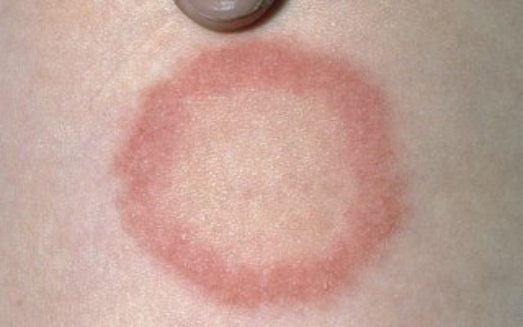
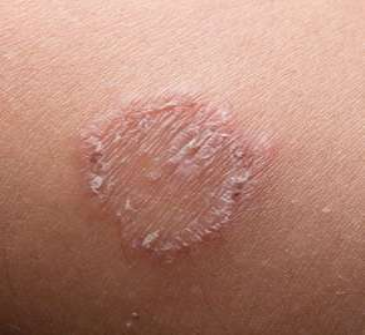
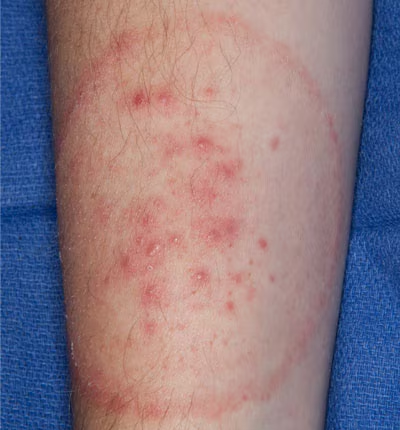
Ringworm lesions often:
- Expand outward in a ring pattern
- Have a scaly, inflamed edge
- Appear darker or lighter than surrounding skin
- May merge into larger patches if untreated
On darker skin tones, ringworm may appear brown, gray or purple, rather than red, making it harder to recognize.
Ringworm vs Eczema vs Psoriasis (Common Misdiagnoses)
Ringworm is often confused with other skin conditions.
| Feature | Ringworm | Eczema | Psoriasis |
|---|---|---|---|
| Cause | Fungal | Inflammatory | Autoimmune |
| Shape | Ring-shaped | Irregular | Thick plaques |
| Center clearing | Yes | No | No |
| Contagious | Yes | No | No |
| Scaling | Mild to moderate | Variable | Thick, silvery |
How Ringworm Is Diagnosed?
Doctors usually diagnose ringworm through:
- Visual examination
- Skin scraping examined under a microscope (KOH test)
- Fungal culture (for stubborn cases)
- Wood’s lamp exam (some fungi fluoresce)
Self-diagnosis is common but professional evaluation is important if symptoms worsen or persist.
Ringworm Treatment Options
Treatment depends on location, severity, and duration.
Over-the-Counter Antifungal Treatments
Used for mild to moderate cases:
- Clotrimazole
- Miconazole
- Terbinafine
- Ketoconazole
Applied once or twice daily for 2–4 weeks, even if symptoms improve earlier.
Prescription Antifungal Medications
Needed for scalp, nail, or severe infections:
- Oral terbinafine
- Oral griseofulvin
- Oral itraconazole
These treatments may last weeks to months, especially for nail infections.
Home Remedies for Ringworm (Evidence-Based Perspective)
Many people search for natural treatments, but results vary.
| Remedy | Effectiveness | Notes |
|---|---|---|
| Tea tree oil | Moderate | Antifungal but may irritate skin |
| Garlic | Limited | Antifungal compounds |
| Apple cider vinegar | Weak | May relieve itching |
| Aloe vera | Symptom relief | Soothing, not curative |
⚠️ Home remedies should not replace antifungal medication.
How Long Does Ringworm Last?
- Mild skin ringworm: 2–4 weeks with treatment
- Scalp ringworm: 6–8 weeks
- Nail ringworm: 3–12 months
- Untreated cases: Can persist indefinitely and spread
Is Ringworm Contagious?
Yes. Ringworm is highly contagious, especially before treatment begins.
You Are Contagious If:
- Rash is active and untreated
- You share personal items
- You have scalp or nail involvement
After 48 hours of antifungal treatment, the risk of spreading significantly decreases.
Ringworm in Children
Children are more vulnerable due to:
- Close contact at schools
- Weaker hygiene habits
- Exposure to pets
Scalp ringworm is especially common and may require oral medication.
Ringworm in Adults
Adults often develop:
- Jock itch
- Athlete’s foot
- Nail infections
Chronic cases are more common in people with diabetes, obesity, or weakened immune systems.
Ringworm and Pets: A Major Source
Cats and dogs can carry ringworm without symptoms.
Signs in Pets:
- Hair loss patches
- Scaly or crusty skin
- Excessive grooming
Treating both humans and pets is essential to prevent reinfection.
Ringworm and Weakened Immune Systems
People with:
- Diabetes
- HIV
- Cancer
- Long-term steroid use
may experience more severe, widespread or recurrent infections.
Complications of Untreated Ringworm
- Spread to other body areas
- Secondary bacterial infections
- Permanent nail damage
- Scarring or pigmentation changes
Ringworm Prevention Tips
- Keep skin clean and dry
- Avoid sharing towels or clothing
- Wear flip-flops in public showers
- Wash hands after touching animals
- Disinfect gym equipment
- Treat athlete’s foot promptly
Can Ringworm Come Back?
Yes. Recurrence is common if:
- Treatment is stopped too early
- Environment remains contaminated
- Underlying conditions persist
Preventive hygiene is critical.
Frequently Asked Questions About Ringworm
Can ringworm heal on its own?
Rarely. Most cases require antifungal treatment.
Can you pop ringworm?
No. Ringworm is not a blister or pimple.
Can makeup cover ringworm?
Covering it may worsen the infection and spread fungi.
Is ringworm dangerous?
Usually no, but complications can occur if untreated.
Ringworm Myths vs Facts
| Myth | Fact |
|---|---|
| Ringworm is caused by worms | It is a fungal infection |
| Only dirty people get ringworm | Anyone can get it |
| Ringworm always itches | Some cases don’t |
| Scratching helps | Scratching spreads infection |
When to See a Doctor_
- No improvement after 2 weeks of treatment
- Infection on scalp or nails
- Widespread rash
- Signs of bacterial infection (pain, pus, fever)
We wish a happy and healthy life to you. You can find details and helpful advices for another common skin problem in children: Atopic Dermatitis at the fallowing link.